BusinessWire
Former minister arrested in Paraguay’s latest Ueno Bank failure fallout
A former economy minister has been detained, accused of financial crimes linked to Paraguay's collapsed Ueno Bank.
Nairobi, Kenya
A gold mine in Zimbabwe, shut down for seven years, has resumed production, giving the country's mining industry new life.
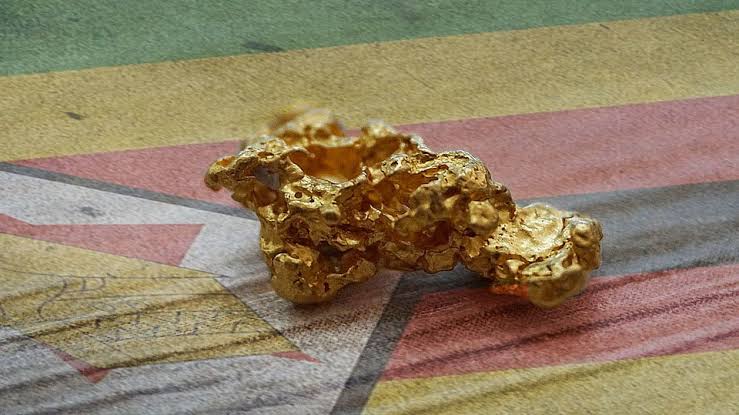
A gold mine in Zimbabwe , shut down for seven years, has resumed production, giving the country's mining industry new life. Namib Minerals has resumed gold production at Zimbabwe's Redwing mine after a seven-year shutdown.
The company plans to invest $300 million to revive former Metallon Corporation mines and increase gold output. Redwing mine, one of the country's oldest, has already produced 650,000 ounces of gold since 1981 and aims to reach 300,000 ounces per year.
Read also Former minister arrested in Paraguay’s latest Ueno Bank failure fallout
Zimbabwe is pushing to boost gold production from idle mines, targeting over 50 tonnes this fiscal year. Namib Minerals announced on Monday that it had poured its first gold at the Redwing mine, ending a long break in commercial production that began in 2019.
The mine was previously owned by Metallon Corporation, once one of Zimbabwe's biggest gold producers. DON’T MISS THIS: Zimbabwe is preparing to abandon the US dollar, but the World Bank seems concerned as it sees trouble ahead Namib Minerals, which took over the former Metallon assets, plans to spend $300 million bringing the mines back into operation.
Redwing is one of Zimbabwe's oldest gold mines, which has produced around 650,000 ounces of gold since 1981. The company now hopes to eventually raise production to 300,000 ounces a year, as reported by Reuters .
Namib is still carrying out studies to establish how much gold remains underground and what it would take to expand mining activities. The Southern African country has introduced restrictions on foreign ownership of gold mines producing less than 20 kilogrammes a month, putting more attention on the output of smaller operations.
Zimbabwe wants more gold from its mines Redwing's return comes as Zimbabwe tries to get more production from mines that have been sitting idle. The country produced a record 46.
Read also Equity Group Partners with Japanese Bank to Link Local Firms to Asian Markets
7 tonnes of gold in 2025 and expects to cross the 50-tonne mark during the current fiscal year. Namib is also looking to get more gold from its How Mine operation in Bulawayo.
The mine produced 25,000 ounces last year, and the company expects output to rise by as much as 26% in 2026. In May, the Mutapa Investment Fund, Zimbabwe's sovereign wealth fund, which controls Mutapa Platinum Group, disclosed that it was sourcing $250 million to expand its gold mining activities .
According to Ernest Denhere, Deputy Chief Investment Officer at Mutapa, the fund, which holds ownership of Mutapa Gold Resources, had initiated discussions with domestic financial institutions. The preliminary phase involves securing $75 million in local debt, serving as the initial step toward achieving the broader capital target. Corporate leadership indicated that the capital raised will facilitate the expansion of its gold asset portfolio, which encompasses five mining concessions covering approximately 52,000 hectares within Zimbabwe.
This report was written and published by Business Insider Africa, not by the Kenya Business News newsroom. It is republished here in full with credit to the publisher, and the headline remains the copyright of Business Insider Africa. Read our attribution policy. Photographs are the publisher's and are credited above. Last updated 25 November 2026.
A former economy minister has been detained, accused of financial crimes linked to Paraguay's collapsed Ueno Bank.
Equity Group has partnered with Japan’s MUFG Bank to establish a Japan and East Asia Desk, connecting businesses across East and Central Africa with Asian markets. This initiative will facilitate cross-border trade, investment and market e…
A convoy of three Russian ships carrying military vehicles to Libya has reversed course in the Mediterranean following a Ukrainian drone attack that sank a Russian naval corvette at Benghazi port, raising questions about Moscow’s military…