PoliticsWire
Australia’s Labor suffers landslide defeat in Victoria state election
The opposition Liberal-National coalition wins at least 49 seats in the 88-member lower house in a Labor stronghold.
Nairobi, Kenya
Gavi, the Vaccine Alliance backed by American billionaire, Bill Gates has secured a grant of up to $214 million to sustain and expand malaria vaccination across Africa, providing fresh funding for programmes facing pressure from internatio…
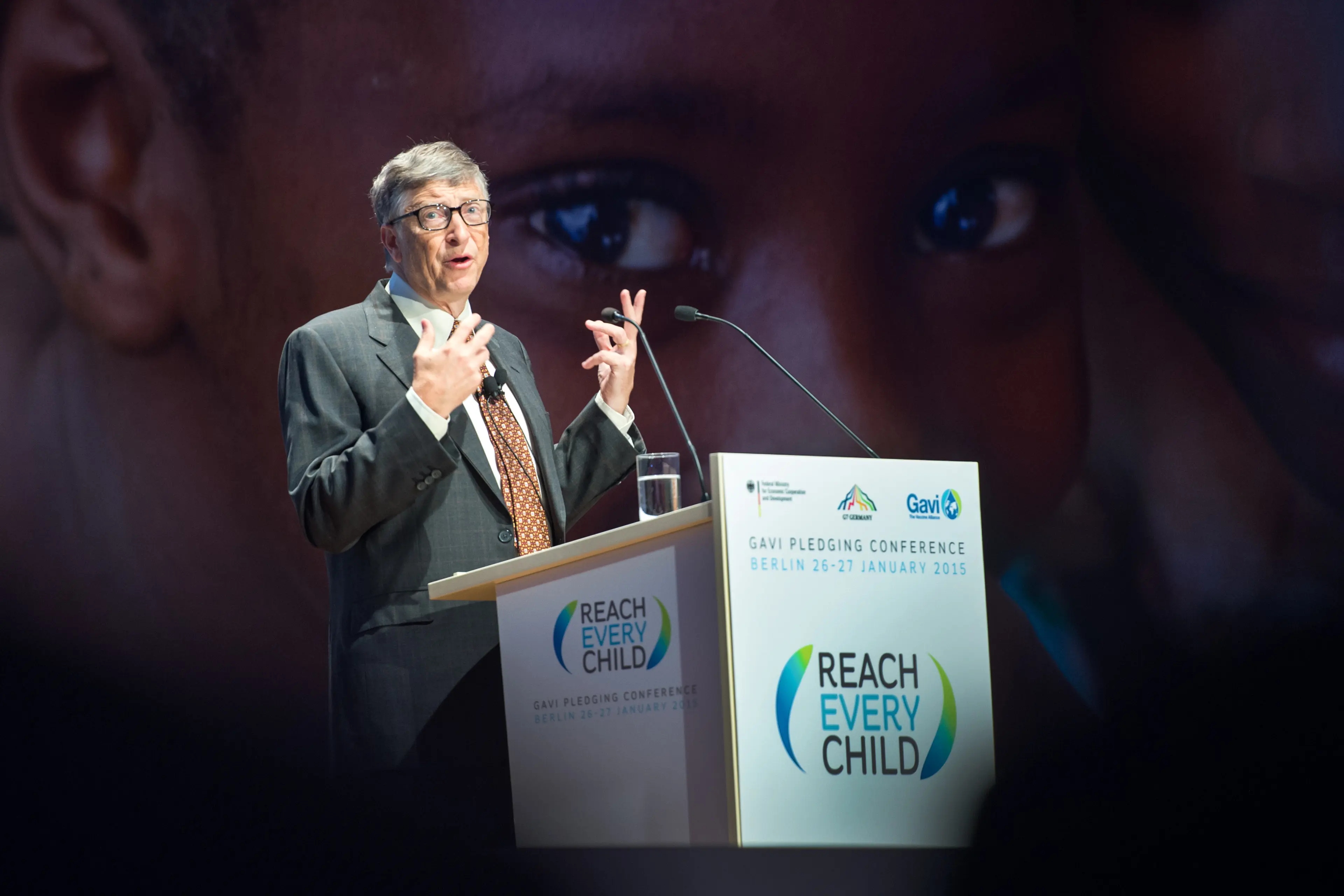
Gavi, the Vaccine Alliance backed by American billionaire, Bill Gates has secured a grant of up to $214 million to sustain and expand malaria vaccination across Africa, providing fresh funding for programmes facing pressure from international financing cuts and persistent concerns over vaccine campaigns on the continent. Gavi has secured up to $214 million from GiveWell, funded by Coefficient Giving, to support malaria vaccination in Africa amid broader funding cuts.
The new grant will restore Gavi's financial support for malaria vaccines, pending board approval, to cover up to 85% of needs in high transmission areas. Historically, international vaccine campaigns in Africa have faced resistance and distrust, as exemplified by the 2003 polio vaccine boycott in northern Nigeria.
Read also Australia’s Labor suffers landslide defeat in Victoria state election
Critics highlight ongoing concerns about foreign influence, reliance on external funding, and call for greater African involvement and local investment in health systems. The grant comes from GiveWell, a research and grantmaking organisation, and is funded by Coefficient Giving. Announced on November 27, the funding will help Gavi maintain access to malaria vaccines in African countries after it reduced its planned support earlier this year because of funding constraints.
Gavi was co-founded in 2000 by the Bill & Melinda Gates Foundation, the World Health Organisation, UNICEF and the World Bank. The alliance has since become a major financier of childhood immunisation in developing countries.
According to Reuters , the new funding will allow Gavi to restore its subsidy for malaria vaccines to up to 85% of assessed needs in areas with moderate and high malaria transmission , from the reduced 70% cap. The restoration remains subject to approval by Gavi's board in December.
Africa's complicated relationship with international vaccine campaigns Historically, international vaccine campaigns in Africa have faced resistance and distrust, as exemplified by the 2003 polio vaccine boycott in northern Nigeria. (Image: ece-auto-gen) The funding arrives against a history of vaccine resistance and criticism of international health interventions in Africa, where concerns about safety, foreign influence and accountability have sometimes undermined public confidence.
One of the most significant episodes occurred in northern Nigeria in 2003, when several states suspended polio vaccination campaigns following allegations that the oral vaccine contained substances intended to cause infertility. The claims were not substantiated, but distrust, political tensions and concerns about the conduct of foreign-backed health programmes prolonged the boycott.
Research published in the journal Vaccine documented how the episode contributed to the spread of polio across Africa and beyond. Although the boycott involved the wider Global Polio Eradication Initiative rather than Gavi's malaria programme, it exposed the difficulties international health organisations face when communities feel excluded from decisions affecting their health.
Read also Can Kenya's rising political star turn popularity into a presidential bid?
Gavi has also faced broader criticism over the influence of wealthy donors and private foundations in global vaccine policy, as well as the dependence of African immunisation programmes on external financing . Critics argue that greater investment in local manufacturing, domestic health systems and African decision-making is necessary to reduce that dependence.
The latest grant also highlights the funding challenge. Gavi's new malaria support will help protect programmes across 25 African countries, which together account for more than 70% of the global malaria burden.
New analysis from the Sabin Vaccine Institute found that first-dose coverage averaged 80% in areas with at least a year of rollout experience, while third-dose coverage reached 70%. Full protection requires four doses.
This report was written and published by Business Insider Africa, not by the Kenya Business News newsroom. It is republished here in full with credit to the publisher, and the headline remains the copyright of Business Insider Africa. Read our attribution policy. Photographs are the publisher's and are credited above. Last updated 28 November 2026.
The opposition Liberal-National coalition wins at least 49 seats in the 88-member lower house in a Labor stronghold.
The 44-year-old politician has gained a youthful following for his fierce criticism of President William Ruto.
Betway backer Martin Moshal gave R54.5 million to six South African parties, including the DA and ActionSA, in the three months to September.