AfricaWire
Ghanaian liquor tycoon Kwabena Adjei's Kasapreko posts $25 million nine-month profit
Kasapreko, the Alomo Bitters maker founded by Kwabena Adjei, raised nine-month profit 14.3% to GH¢296 million as revenue rose and debt fell.
Nairobi, Kenya
Ethics and Anti-Corruption Commission (EACC) chairperson Bishop David Oginde has called for sweeping reforms to Kenya’s legal framework, arguing that suspects exploit the presumption of innocence to stall anti-corruption efforts. Speaking…
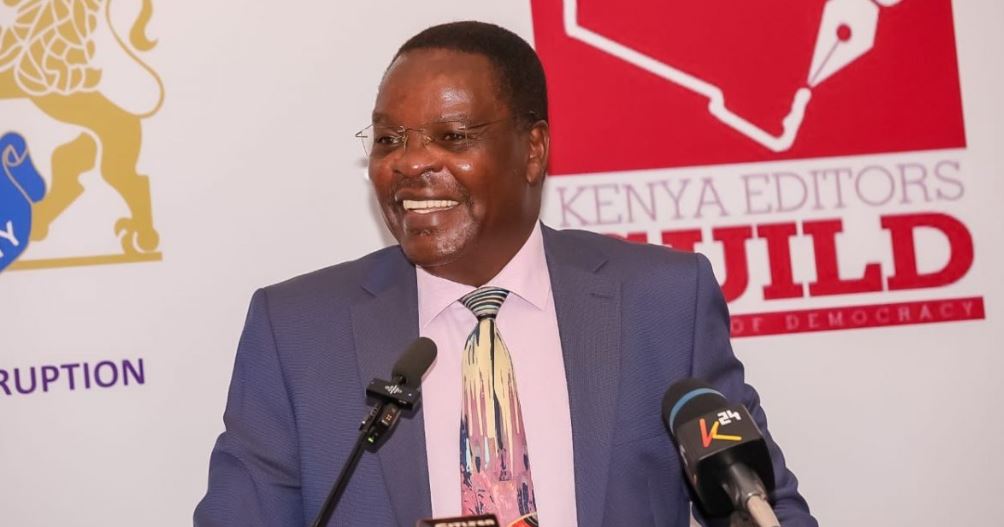
Ethics and Anti-Corruption Commission (EACC) chairperson Bishop David Oginde has called for sweeping reforms to Kenya’s legal framework, arguing that suspects exploit the presumption of innocence to stall anti-corruption efforts. Speaking at a breakfast meeting during the Annual Editors Convention in Mombasa County, Oginde suggested Kenya draw lessons from neighboring Tanzania to close legal loopholes and strengthen public accountability.
The Kenya Editors Guild organized this year’s convention under the theme, “Navigating the Storm: Media Resilience on the Road to 2027.” Learning from Tanzania’s Legal Approach Oginde highlighted a recent Tanzanian law under which anyone convicted of an offense carries the burden of proving their innocence during an appeal, rather than retaining the presumption of innocence.
Read also Ghanaian liquor tycoon Kwabena Adjei's Kasapreko posts $25 million nine-month profit
“Once a person has been convicted in Tanzania for any offense, they stand guilty until they prove themselves innocent,” Oginde said. He contrasted that system with Kenya’s legal framework, where accused individuals retain the presumption of innocence until they exhaust the entire judicial process, including all appeals.
To illustrate how this plays out locally, Oginde pointed to the legal battles surrounding former Nairobi Governor Mike Sonko, noting that authorities only stopped him from running for office after his final appeal failed. “This is the case that happened with Sonko [former Nairobi governor] when he was barred from contesting.
Sonko was barred because he had exhausted all appeals mechanisms,” Oginde said. Closing Integrity Loopholes Ahead of 2027 According to the EACC chair, corruption suspects routinely use prolonged appeal processes to delay justice and cling to public positions, damaging national integrity.
“For us, you remain innocent until you have exhausted the whole judicial process. And people have exploited that provision to the detriment of our integrity in the country,” he said.
Read also South African cosmetics tycoon Herman Mashaba returns as Johannesburg mayor with ANC backing
Oginde urged Kenyans to examine regional legal models and debate targeted constitutional and statutory amendments that could give anti-graft agencies sharper teeth. He noted that public awareness remains essential to building support for these legal changes.
“These are some things that we need to highlight and educate Kenya so that we can make relevant amendments to our laws so that we can deal with corruption,” he said. The post EACC Chair Oginde Proposes Major Changes to Kenya’s Corruption Laws appeared first on Nairobi Wire .
This report was written and published by Nairobi Wire, not by the Kenya Business News newsroom. It is republished here in full with credit to the publisher, and the headline remains the copyright of Nairobi Wire. Read our attribution policy. Photographs are the publisher's and are credited above. Last updated 27 November 2026.
Kasapreko, the Alomo Bitters maker founded by Kwabena Adjei, raised nine-month profit 14.3% to GH¢296 million as revenue rose and debt fell.
Herman Mashaba, who made his fortune in hair-care products, is Johannesburg's mayor again after the ANC and its allies backed him in a council vote.
A Federal High Court judge in Lagos has lifted interim orders that placed oil tycoon Tunde Afolabi's Amni Petroleum under an administrator this month.