BusinessWire
Former minister arrested in Paraguay’s latest Ueno Bank failure fallout
A former economy minister has been detained, accused of financial crimes linked to Paraguay's collapsed Ueno Bank.
Nairobi, Kenya
For African governments, owing less money to the International Monetary Fund (IMF) can mean having more room to decide how public funds are spent, rather than constantly worrying about loan repayments and the conditions attached to fresh f…
For African governments , owing less money to the International Monetary Fund (IMF) can mean having more room to decide how public funds are spent, rather than constantly worrying about loan repayments and the conditions attached to fresh financing. Lower IMF debt gives African governments more control over their budgets and spending priorities.
Reduced debt obligations free up public funds for infrastructure, healthcare, education, and other services. Minimizing IMF borrowing decreases dependency on strict loan conditions and increases economic policy flexibility.
Read also Former minister arrested in Paraguay’s latest Ueno Bank failure fallout
Managing debt allows governments to better respond to local needs and maintain borrowing capacity during crises. When a country has limited debt obligations to the IMF, it has more room in its budget to direct money towards roads, power, healthcare, education and other services.
It can also reduce the amount of public revenue that goes towards servicing old loans, leaving more funds available for development projects. DON’T MISS THIS: 10 African countries with the highest debt to the IMF in October 2026 A lower debt burden can also give governments more freedom when making economic decisions.
Countries that depend heavily on IMF support often have to meet agreed targets on spending, taxes, subsidies, and other economic policies before receiving further payments. Keeping borrowing under control can reduce that dependence and give governments more flexibility to respond to local needs.
It can also help protect a country's ability to borrow when a genuine crisis hits. Governments with manageable debt are generally in a better position to seek emergency financing without adding too much pressure to already stretched public finances.
In November, Egypt, a country with one of the IMF’s highest debts , reached a staff-level agreement that could unlock another $2. 3 billion, bringing it closer to completing its existing $8 billion programme.
Read also Equity Group Partners with Japanese Bank to Link Local Firms to Asian Markets
President Abdel Fattah al-Sisi has indicated that Egypt does not plan to seek fresh IMF financing after the programme ends. This does not mean countries should avoid the IMF altogether.
Its loans can help governments facing foreign currency shortages or economic shocks. But keeping repayments manageable and avoiding repeated dependence on emergency support can give African economies more control over their finances. With that said, here are the African countries with the lowest IMF debt in November 2026, per data from the IMF’s website .
This report was written and published by Business Insider Africa, not by the Kenya Business News newsroom. It is republished here in full with credit to the publisher, and the headline remains the copyright of Business Insider Africa. Read our attribution policy. Photographs are the publisher's and are credited above. Last updated 26 November 2026.
A former economy minister has been detained, accused of financial crimes linked to Paraguay's collapsed Ueno Bank.
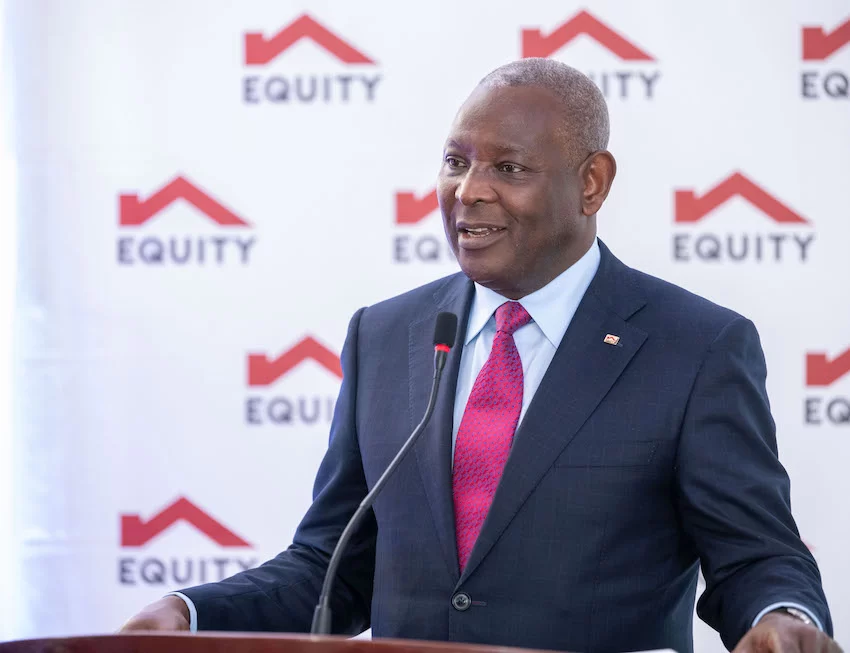
Equity Group has partnered with Japan’s MUFG Bank to establish a Japan and East Asia Desk, connecting businesses across East and Central Africa with Asian markets. This initiative will facilitate cross-border trade, investment and market e…
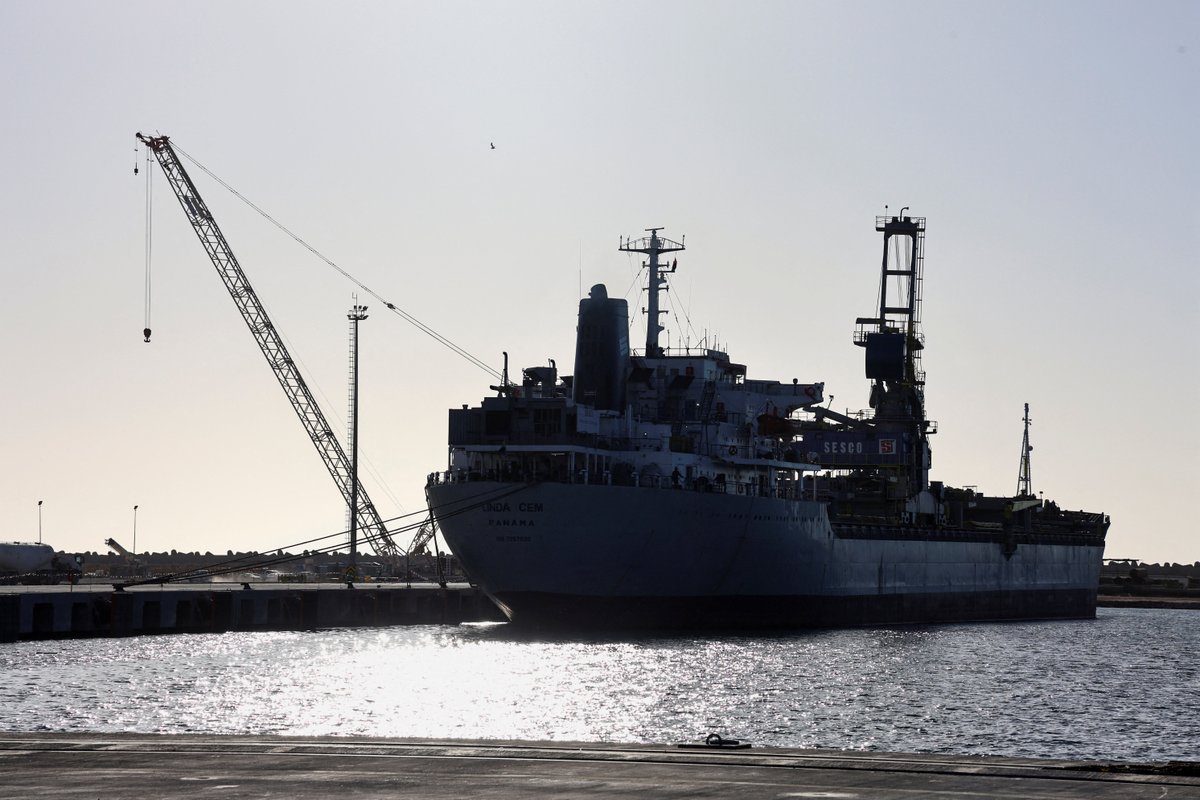
A convoy of three Russian ships carrying military vehicles to Libya has reversed course in the Mediterranean following a Ukrainian drone attack that sank a Russian naval corvette at Benghazi port, raising questions about Moscow’s military…