Journalists are among women groups that are most targeted for online and offline attacks because of the work they do. A study by UN Women indicates that 70 per cent of women working as journalists, human rights defenders and activists across 119 countries experienced online attacks in the course of their work in the last five years.
UN Women East and Southern Africa Regional Policy Specialist for Ending Violence Against Women and Girls, Sunita Caminha told the ninth Kenya Editors Guild Convention in Mombasa Friday that out of the 640 women surveyed, 41 per cent reported offline harm linked to online abuse. She noted that, the research, Tipping point: The chilling escalation of violence against women in the public sphere , further showed that 23 per cent of respondents had experienced AI-facilitated violence, highlighting emerging risks associated with evolving digital technologies.
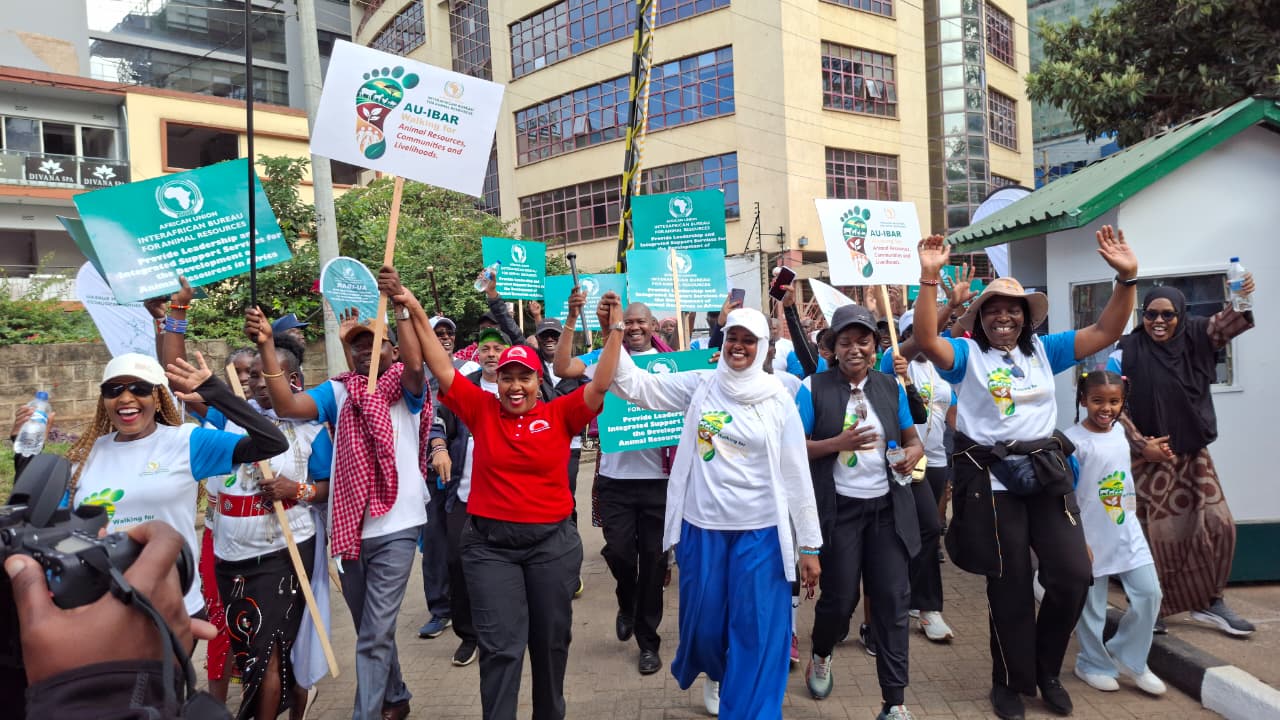
Read also 2,000 walk in Nairobi to champion Africa’s animal resources
UN Women says online violence is no longer confined to digital spaces, with anonymity, automation, the speed of attacks and cross-border reach making it increasingly difficult to address. She listed some forms of violence that are affecting women journalists, which include, restrictions on the operating environment, threats, destruction of equipment, psychological harm, physical and sexual assault, abduction, and in the worst case, murder noting that they have a gender dimension.
Caminha urged media organisations and other stakeholders to challenge discriminatory social norms that normalise violence, victim-blaming and the exclusion of women from leadership. “We see that discriminatory social norms and the narratives related to unpaid care work, leadership, decision-making, hiring, promotion, institutional practices also contribute to women’s distinct experiences of these harms in journalism and in the media space,” she said.
UN Women noted that protecting women from abuse requires shifting the narratives that justify discrimination, strengthening accountability and ensuring safe working environments. Additionally, she highlighted the gender pay gap, unequal representation in leadership and the prevalence of gender-based violence both in the course of journalists’ work and within media institutions.
There’s this difference in who we see gets to leadership in this sector and who is not. And of course the various forms of gender-based violence not only in the course of doing their own work but in the very media outlet institutions that they work in.
The organisation has called for stronger regulation of technology platforms, improved reporting mechanisms and better support systems for survivors. She noted that potential counter narratives could be recognizing the value of women journalists and their contributions to media and democracy, but recognizing that they cannot operate freely and effectively when there is a threat of violence that is so pervasive.
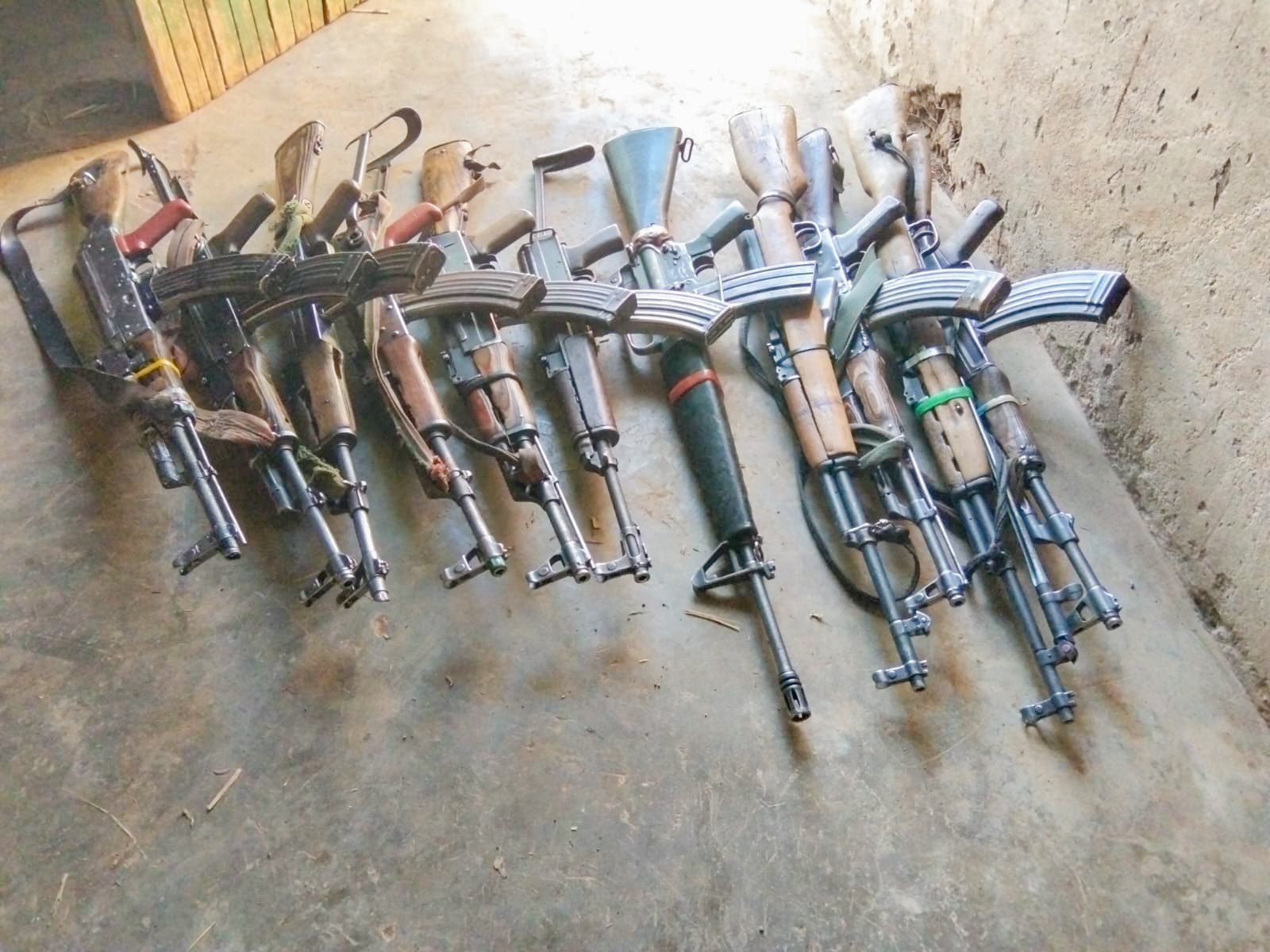
Read also Twelve illegal firearms surrendered to police in Samburu
Protecting all women from violence in the world of work will make the workplace safer for everyone. Caminha said recognition of the contributions of women journalists to media and democracy must go hand in hand with protecting them from violence and intimidation.
“Recognising the value of women journalists and their contributions to media and democracy also means recognising that they cannot operate freely and effectively when there is a threat of violence that is so pervasive,” she said. “Protecting all women from violence in the world of work will make the workplace safer for everyone.” The post Women journalists among groups most targeted for online attacks appeared first on KBC Digital .