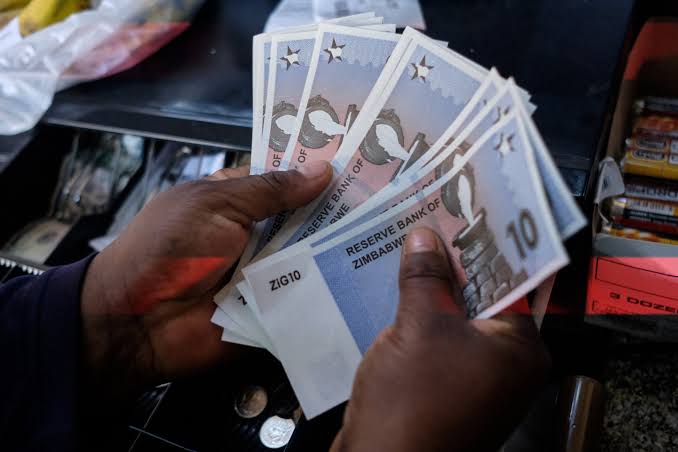
Zimbabwe is asking three major international lenders for grants and concessional loans to clear billions of dollars in overdue debt, hoping to regain access to development financing after more than two decades of financial isolation. Zimbabwe seeks urgent grants and concessional loans from the World Bank, African Development Bank, and European Investment Bank to settle $21.7 billion in overdue debt. The government’s overdue payments, totalling over $2.9 billion to these three institutions, have blocked access to essential development financing for decades. A possible solution on the table is a bridge loan, similar to Myanmar’s 2013 strategy, allowing Zimbabwe to clear arrears and regain eligibility for new loans. Various international partners, including G20 nations, are being called on to coordinate a rescue plan as earlier approaches to other countries have failed. The Southern African country owes approximately $21.7 billion in total debt and has been in default to the World Bank for more than 25 years, making it the longest-standing defaulter among countries currently behind on payments to the institution. Its arrears include $1.7 billion owed to the World Bank, $835 million to the African Development Bank (AfDB) and $433 million to the European Investment Bank (EIB), Bloomberg reported. Zimbabwe's Ministry of Finance confirmed that the government had approached the three institutions for assistance to settle the outstanding obligations. Zimbabwe struggles to secure debt relief Clearing the arrears is critical to Zimbabwe's efforts to regain access to new development loans, as outstanding payments prevent the country from accessing fresh financing from the institutions. One possible route is a bridge loan, a temporary financing arrangement that allows a country to settle overdue obligations and subsequently qualify for new funding. Myanmar used this approach in 2013, borrowing nearly $1 billion from Japan to clear arrears with the World Bank and Asian Development Bank before receiving fresh financing. World Bank President Ajay Banga has suggested that engaging the Group of 20 (G20) nations could help the country pursue a coordinated solution to its 25-year debt default. Zimbabwe has previously approached European countries, Saudi Arabia, South Africa and Brazil for similar assistance but has failed to secure funding. Debt-for-climate swaps remain an option The latest request comes amid broader efforts to restructure Zimbabwe's $21 billion debt burden. As previously reported by Business Insider Africa, France and the UK stepped in to help address a $2.7 billion debt-related challenge facing the country. Zimbabwe has also considered debt-for-climate swaps , which allow creditors to exchange portions of outstanding debt for commitments to fund environmental protection and climate-related projects. The arrangement could offer another route to easing the country's debt burden while directing resources towards climate resilience and sustainable development.
Read also AG appeals court ruling on composition of Ruto Cabinet